

Starting a photography business is an exciting journey that combines creativity with entrepreneurship. Whether photography is your passion or a skill you’ve developed over time, turning it into a profitable business takes planning, patience, and consistency. This guide will walk you through everything you need to know to start a photography business from scratch.
Decide What Type of Photography You Want to Offer
Before anything else, define your niche. Photography is a broad field, and trying to do everything at once can slow your growth. Choosing a niche helps you target the right audience and build a strong brand.
Some popular photography niches include:
- Portrait photography
- Wedding and event photography
- Product photography
- Fashion photography
- Real estate photography
- Wildlife or nature photography
- Sports photography
Choose a niche that matches your interests, skills, and local demand. You can always expand later as your business grows.
Improve Your Skills and Build Confidence
Even if you already know how to use a camera, professional photography requires consistency and technical understanding. Spend time mastering:
- Camera settings (ISO, aperture, shutter speed)
- Lighting (natural and artificial)
- Composition and framing
- Photo editing and color correction
Practice regularly and study the work of other professional photographers. Confidence in your skills will reflect in your work and client interactions.
Invest in the Right Equipment
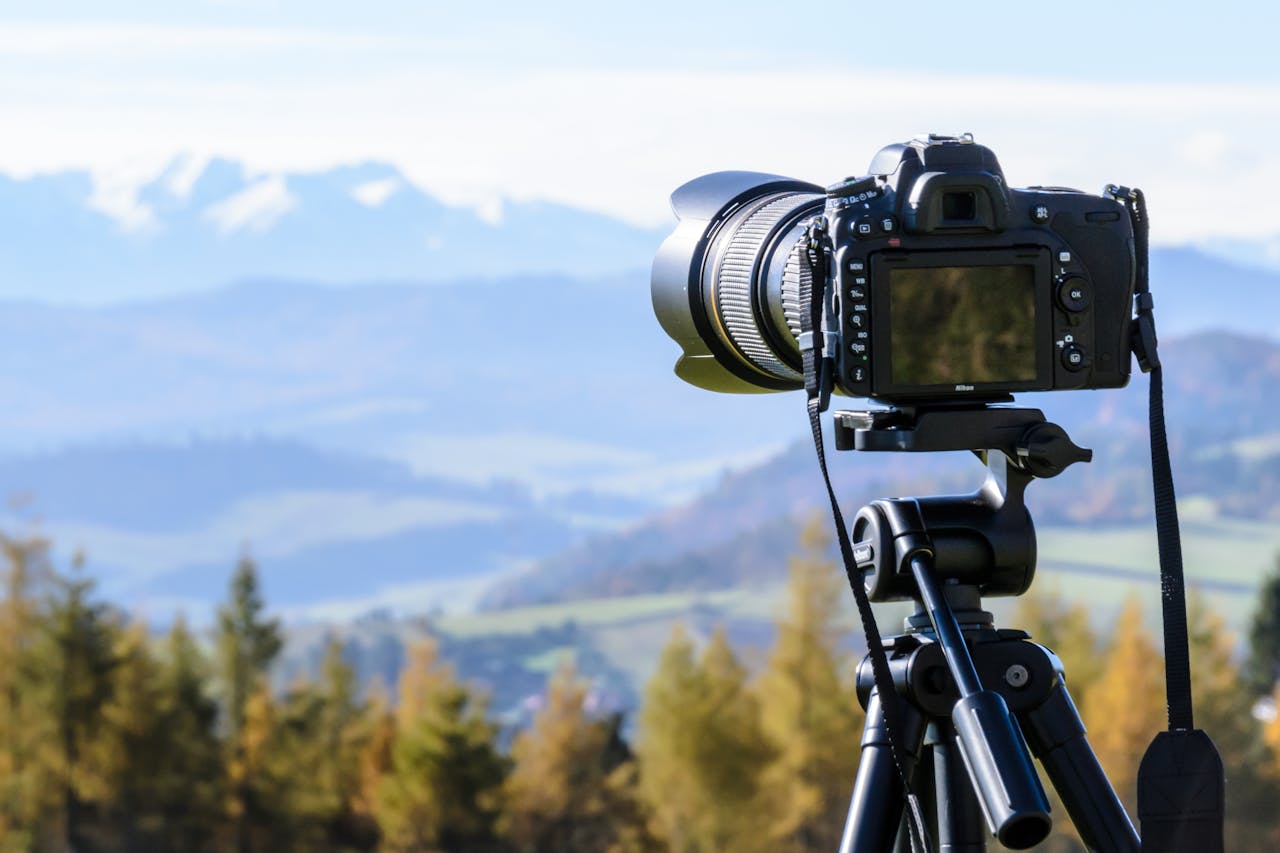
You don’t need the most expensive gear to start, but reliable equipment is essential. Basic photography gear includes:
- A DSLR or mirrorless camera
- One or two quality lenses
- A tripod
- External flash or lighting equipment
- Editing software
Start with what you can afford and upgrade as your business grows. Remember, skill matters more than equipment.
Create a Strong Photography Portfolio
Your portfolio is your most powerful marketing tool. Clients want to see your style, quality, and consistency before hiring you.
If you don’t have paid work yet:
- Photograph friends or family
- Offer free or discounted shoots
- Collaborate with models or small businesses
Only showcase your best work. A smaller, high-quality portfolio is better than a large, average one.
Set Up Your Photography Business Legally
To operate professionally, you’ll need to handle the legal side of your business. This may include:
- Choosing a business name
- Registering your business (depending on local laws)
- Opening a business bank account
- Understanding basic taxes and invoices
This step protects you legally and helps build trust with clients.
Price Your Photography Services Properly
Pricing can be challenging for beginners. Avoid underpricing just to get clients, as this can hurt your business in the long run.
When setting prices, consider:
- Your time and skill level
- Equipment and software costs
- Editing time
- Travel and other expenses
- Local market rates
Create clear packages so clients understand what they are paying for.
Build an Online Presence
A strong online presence helps clients find and trust you. Start with:
- A professional website showcasing your portfolio
- An “About” page that tells your story
- Clear contact information
Use social media platforms like Instagram, Facebook, or Pinterest to share your work and connect with potential clients. Consistency is more important than being on every platform.
Market Your Photography Business
Marketing doesn’t have to be complicated or expensive. Effective ways to promote your photography business include:
- Word-of-mouth referrals
- Social media posting and engagement
- Collaborations with local businesses
- Blogging about your photography journey
- Offering seasonal promotions
The more visible you are, the more opportunities you’ll attract.
Deliver a Great Client Experience
A successful photography business is built on happy clients. Always aim to:
- Communicate clearly and professionally
- Deliver photos on time
- Be friendly and patient during shoots
- Ask for feedback and testimonials
Positive experiences lead to repeat clients and referrals.
Keep Learning and Growing
Photography trends, technology, and client expectations change over time. Keep improving by:
- Learning new techniques
- Updating your portfolio regularly
- Studying marketing and business strategies
- Investing in education and workshops
Growth is a continuous process in any creative business.
Final Thoughts
Starting a photography business takes effort, but with passion, dedication, and smart planning, it can be incredibly rewarding. Focus on improving your skills, building relationships, and running your business professionally. Over time, your hard work will turn into a brand clients trust and recommend.
If you stay consistent and patient, your photography business can grow into something truly meaningful and profitable.